When volume rises in the nursery, lower your physical height before speaking. Pacing your vocal tone regulates infant stress faster than rushing between cots.

When volume rises in the nursery, lower your physical height before speaking. Pacing your vocal tone regulates infant stress faster than rushing between cots.

Biting and toy snatching spike when room transitions lack physical boundaries. Use flat hand spatial cues rather than shouting across the room.

Frustration over toy sharing signals motor overload. Give active 3-year-olds proprioceptive joint resistance prior to structured group activities.

Cumulative morning cognitive load peaks before lunch. Dim lighting and shift from open-ended play to structured table tasks before meltdowns start.

Single-file line-ups trigger personal space anxiety. Replace rigid doorway lines with staggered, low-arousal arrival rituals.

Fidgeting during table work is often postural fatigue. Provide vertical writing surfaces or floor work options to sustain focus.

Head-on-desk refusal stems from peer shame during dysregulation. Use discreet nonverbal role cards rather than public warnings.

Moving from outdoor play to washrooms causes crowded crowding. Use visual floor markers and rhythmic hand pacing to stagger entry.

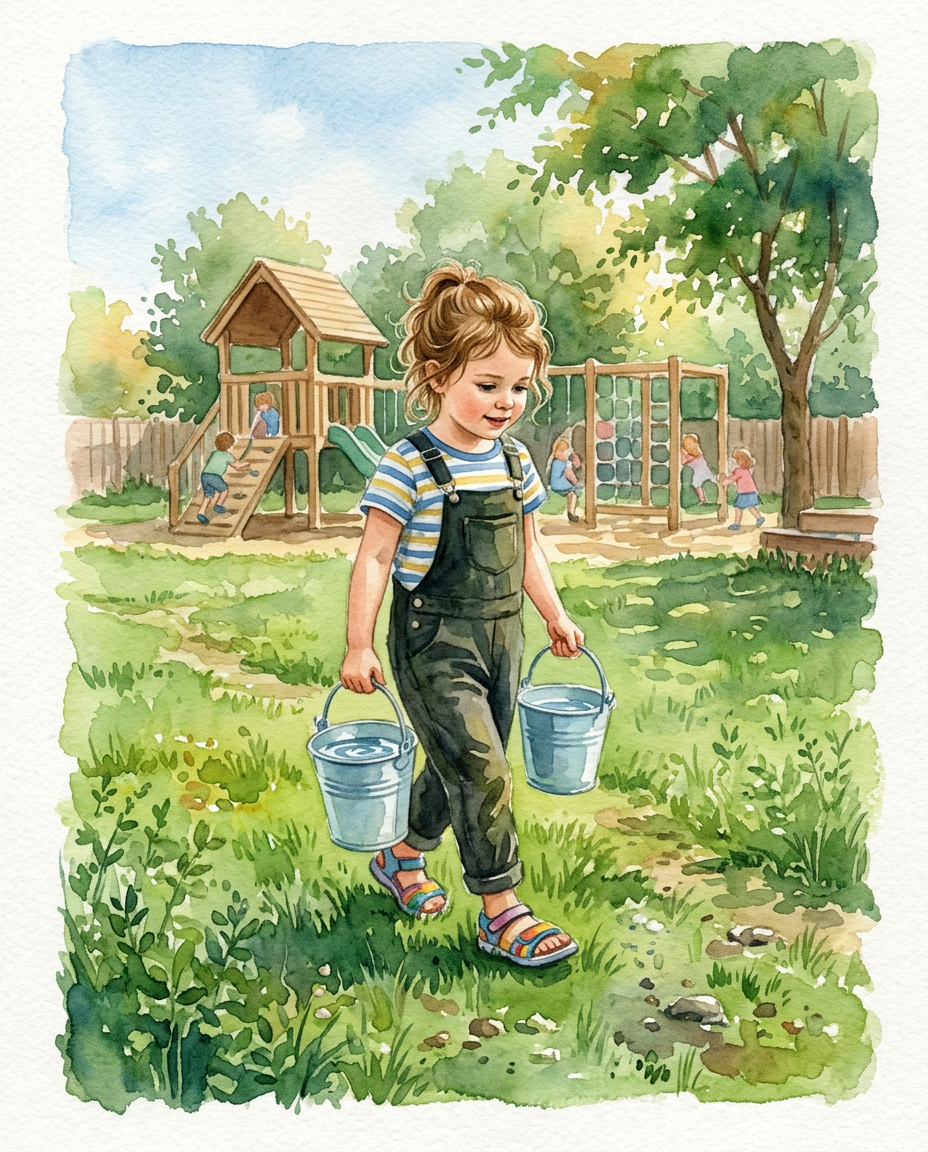
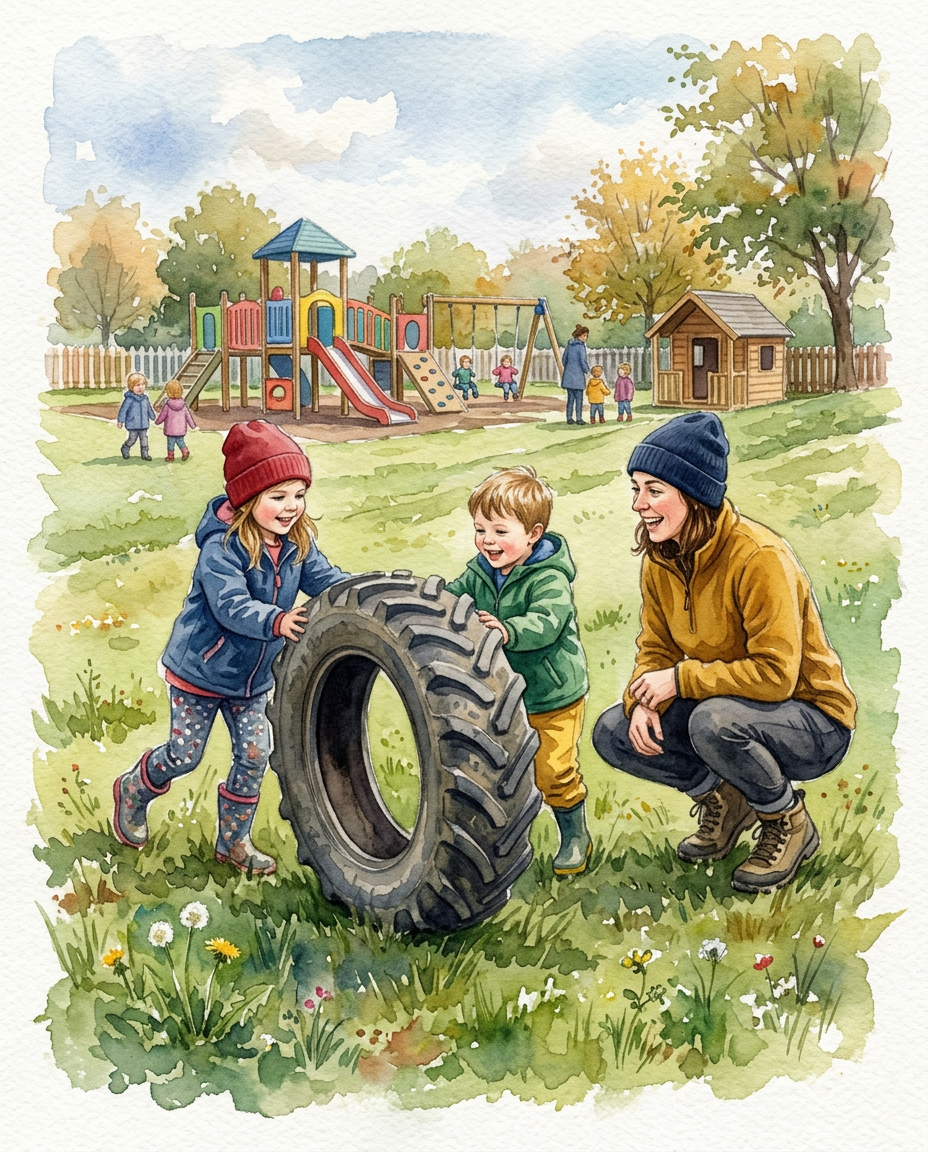
Channel crashing and boundary running into structured heavy-work zones like pushing, climbing, and lifting heavy tires safely.

Participation does not require total body stillness. Integrate fidget props and active somatic movement directly into story time.
Start with the fully available Ladder 1 physical A3 room posters, video demonstrations, and site-wide access for your service. Ladders 2 through 8 are released progressively across the 12-month membership.
Each ladder is introduced in stages so educators and families have time to practise without being overwhelmed by too much information at once.
Get $4,790 Centre Quote & Proposal →